Doomscrolling
Transcript of radio interview discussing the Psychological impacts of Doomscrolling

Breakfast Show Podcast (26/01/2026) – Our Future Medical Students Hope For The NHS / Dangers of Doomscrolling (from 1 hr 10 mins)
Listen here: The Breakfast Show - Voice Of Islam Radio
In today’s society, access to a smartphone has become an essential part of daily life across all age groups. Have you observed a rise in cases linked to excessive social media use?
There was a time in life where if someone looked at themselves smiling for a long time it would be seen as a form of mental illness, and now we call it social media.
Social-media can be really positive, like learning about mental health, finding community or accessing resources, maybe connecting with people you wouldn’t have the chance to normally in life. But as humans we’ve developed socially to learn from other humans, not screens. So like most things, it has its positives and negatives.
Social media for some people can offer a bridge to connecting with the world in ways they struggle to in person. But when use becomes excessive you start to see people feeling like they have this unsettled, anxious feeling, and they develop this urge that says if I check social media It’ll make me feel better about life. But the truth is usually the opposite. Its like the more we use social media, the less social we are actually being with others, and the more critical we are being of ourselves. Because we’re consuming, not socialising.
In therapy, people talk about an endless comparison to other people, even though they know social media is just a highlight reel.
Other issues include a sense of reduced privacy, and even a pressure to keep up with trends and have the 'right' socially accepted opinion. But the more they scroll, often the worse they feel. But there’s an addictive quality to it because the highs can be really high.
In today’s society, access to a smartphone has become an essential part of daily life across all age groups. Have you observed a rise in cases linked to excessive social media use?
Absolutely. There was a time in life where if someone looked at themselves smiling for a long time it would be seen as a form of mental illness, and now we call it social media.
Social-media can be really positive, like learning about mental health, finding community or accessing resources, maybe connecting with people you wouldn’t have the chance to normally in life. But as humans we’ve developed socially to learn from other humans, not screens. So like most things, it has its positives and negatives.
Social media for some people can offer a bridge to connecting with the world in ways they struggle to in person. But when use becomes excessive you start to see people feeling like they have this unsettled, anxious feeling, and they develop this urge that says if I check social media It’ll make me feel better about life. But the truth is usually the opposite. Its like the more we use social media, the less social we are actually being with others, and the more critical we are being of ourselves. Because we’re consuming, not socialising.
In therapy, people talk about an endless comparison to other people, even though they know social media is just a highlight reel.
Other issues include a sense of reduced privacy, and even a pressure to keep up with trends and have the ‘right’ socially accepted opinion. But the more they scroll, often the worse they feel. But there’s an addictive quality to it because the highs can be really high.
The term “doomscrolling” has emerged in recent years, particularly among younger generations. What are the psychological effects of having an unbalanced relationship with social media?
Doomscrolling is an unhealthy relationship between a dopamine hit and a coping mechanism: it feels good in the short term, but it doesn’t actually solve anything.
When we tell people to relax, we usually mean switching off right? But Doomscrolling does the opposite—it keeps you switched on, constantly seeking that next small dopamine hit. Social media platforms encourage this by features like infinite scrolling, which removes a clear stopping point and keeps people engaged with negative content for longer than they would normally.
Often, doomscrolling starts with good intent. Someone might feel overwhelmed by an issue like global politics and seek out more information, or they may want to connect with others and hear different opinions. But doomscrolling isn’t reading. It’s skimming. So, the more information they consume, the more unsettled they often feel, because they are repeatedly feeding into whatever triggered their anxiety in the first place. Without a natural point to stop, that cycle can continue unchecked.
Doomscrolling is influenced by a number of psychological factors, including low self-esteem, moral injury, negativity bias, fear of missing out, boredom, and attempts to regain a sense of control over uncertainty in life. And Social influences play a role, like peer pressure and constant exposure to personalized content.
On average, people check their phones around 80 to 90 times a day and spend roughly five hours on them. Research has also found that even having a phone nearby can create a “brain drain,” where part of our attention is subconsciously pulled toward it, making it harder to concentrate.
Doomscrolling can keep the brain in a prolonged state of alert and threat, increasing anxiety, stress, and low mood. Over time, it can leave people feeling mentally exhausted, less able to focus, and more disconnected from real life and also disrupt sleep, appetite, learning, and memory.
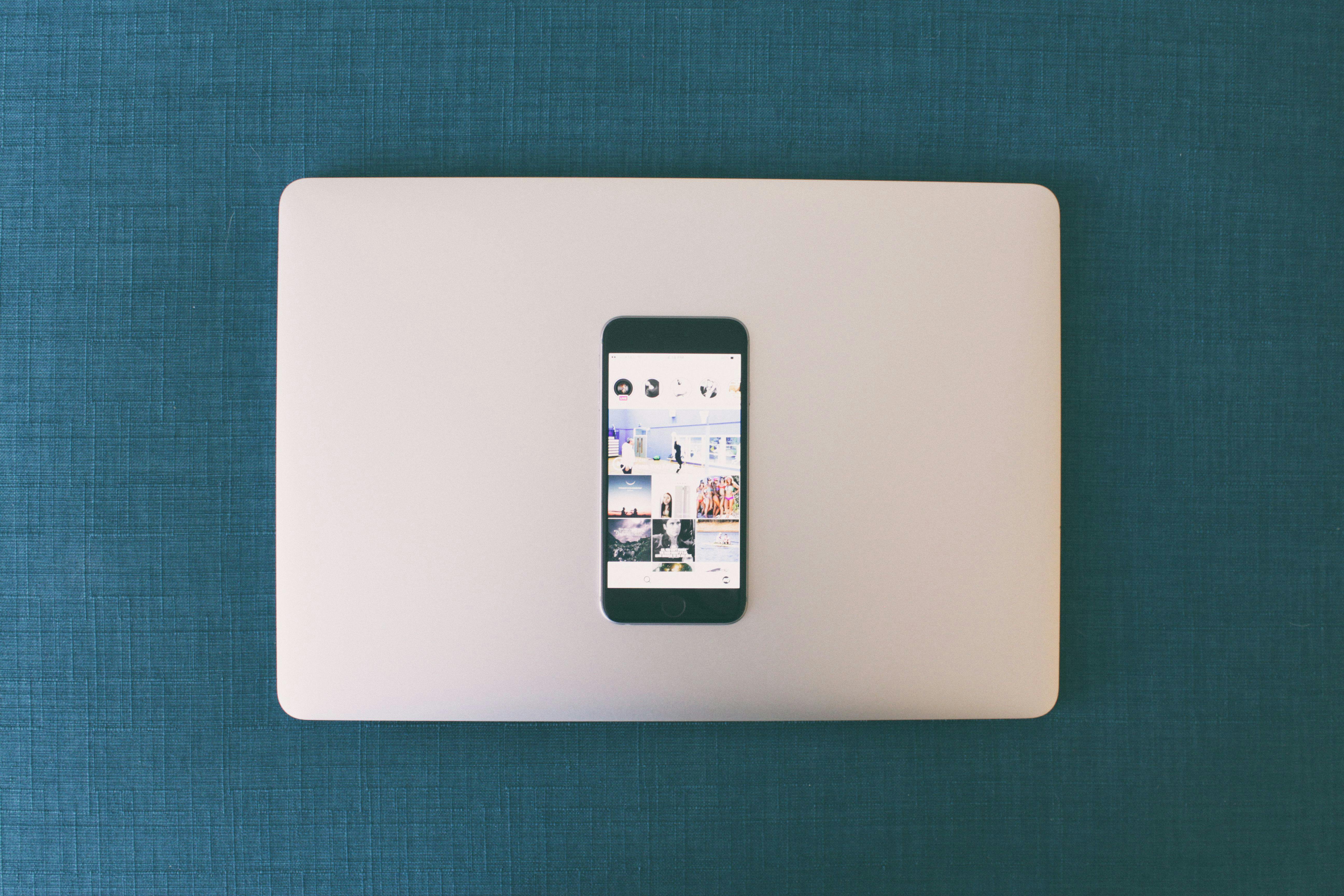
A digital detox can help restore balance in an individual’s life. Could you explain what a digital detox involves and provide an example of how someone might begin one?
A digital detox is about creating healthier boundaries with technology, rather than cutting it out completely. It’s okay to own technology, but it’s not okay for it to own you. We need you to be in charge.
It involves intentionally reducing time spent on devices — particularly social media — to help lower stress, improve focus, and reconnect with life offline. The aim is to find balance, not to reject technology entirely.
An idea is maybe having tech-free mornings or nights, giving yourself a deadline of e.g., no social media after 8pm, keeping phones physically out of site, or setting aside certain times of the day where notifications are turned off.
Maybe could be a 24-hour break over a weekend, or checking if there is a particular app on your phone you’re using way too much then removing it or putting a time limit on it. I can imagine some listeners feeling this sounds simple, and it can be. But psychologically, the point is to become more aware of how the tech is affecting your mood, sleep, and concentration. The digital detox will surprise you just how much time is being eaten up by your phone.
So be intentional — practice using technology on your own terms, rather than feeling controlled by it. Because if you don’t make time for health, health won’t make time for you.
The same article notes that 45% of people aged over 65 are also affected by excessive screen use, highlighting that this is not solely a concern for younger generations. What strategies would you recommend to help older adults achieve a healthier balance
Encouraging purposeful use of technology, like staying in touch with family or accessing useful, stimulating information, can help reduce mindless scrolling. Improving digital literacy is also important, so maybe building confidence in helping people learn how to manage notifications and track their screen time to increase their sense of control. One strategy could be to link movement to technology. Like an app to track steps or sleep rather than scrolling, or to schedule in exercise time.
And addressing underlying mental health factors through relaxation techniques or professional support can help older adults manage anxiety or support them through the loneliness that may be driving the excessive phone use.
It would be helpful for all of us to promote offline social interaction through community groups and family activities to reduce reliance on phones and impacts of isolation. For all ages, lets help give people a sense of control back and ensure that technology connects us to each other rather than replaces each other.